
Sewage Cleanup
What Can Be Saved After a Sewage Backup in Mount Vernon
By Cleaner Guys · · 5 min read
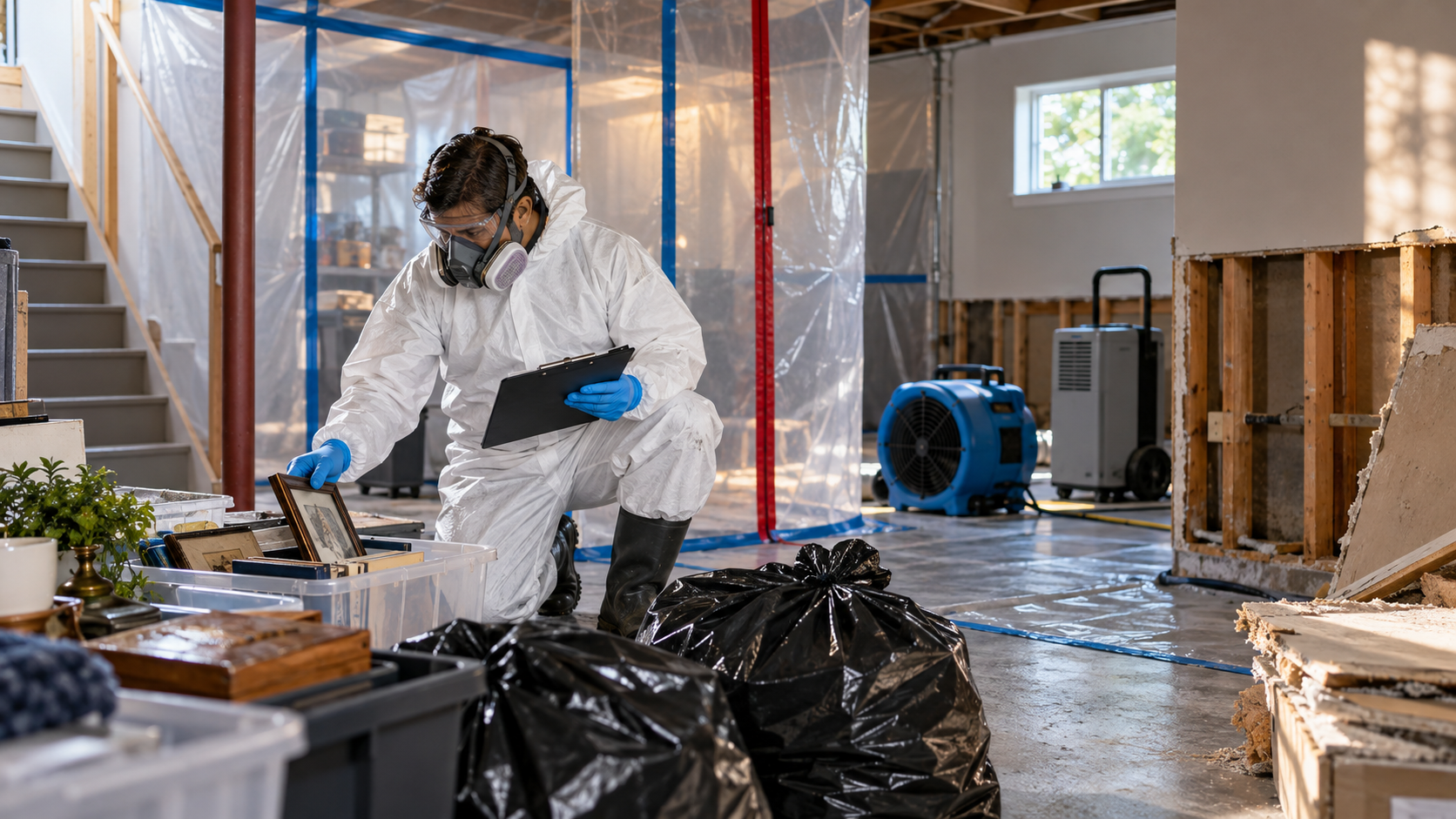
After a sewage backup, one of the first questions homeowners ask is whether flooring, furniture, drywall, and personal belongings can be saved. The answer depends on the material, the extent of contact, and how quickly the affected area is contained. Because sewage is highly contaminated water, the decision should be based on a professional assessment rather than appearance alone.
Why the type of material matters
Nonporous materials such as metal, glass, and some sealed hard surfaces may be candidates for professional cleaning and disinfection when they can be accessed completely. Porous materials absorb contaminated water into spaces that surface cleaning cannot reliably reach. Drywall, insulation, carpet pad, and some composite wood products may therefore require removal when sewage has contacted them.
Semi-porous materials require case-by-case evaluation. Solid wood, framing, concrete, and certain finished surfaces may sometimes be retained after controlled cleaning, antimicrobial treatment, and drying. Age, condition, seams, coatings, and the depth of saturation all affect the decision.
What about furniture and personal belongings
Hard, washable items may be easier to evaluate than upholstered furniture, mattresses, paper goods, or other absorbent contents. A restoration team can separate potentially salvageable belongings from items that are unlikely to be cleaned effectively. Photographing and inventorying contents before disposal also creates a clearer record for the property owner and insurance carrier.
Avoid moving affected belongings into clean rooms before the work area has been assessed, because handling them may spread contamination beyond the original loss area.
Removal is only part of the recovery
Once unsalvageable materials are removed, exposed structural surfaces still need cleaning and disinfection. Moisture readings help determine whether framing, subfloors, and wall cavities have dried sufficiently. Commercial dehumidification and controlled air movement are introduced at the appropriate stage, after contaminated water and materials have been addressed.
Sewage losses are also water losses, so the drying phase connects closely with professional water damage restoration. If moisture remains in concealed areas, it may contribute to odors, deterioration, or later mold growth.
Protect your property and your documentation
Keep people and pets away from the affected area and avoid running fans or the HVAC system through the contaminated space. If it can be done without entering the loss area, stop using plumbing connected to the backup. Do not discard damaged materials before they are photographed and evaluated. Coverage varies by policy and cause of loss, so confirm details with your insurer.
For sewage cleanup in Mount Vernon, Burlington, Anacortes, Sedro-Woolley, and nearby Skagit County communities, call Cleaner Guys at 360-757-4300. The team is available around the clock to assess the damage, explain what may be restored, and begin a documented cleanup plan.