Mold Remediation
Crawl Space Mold in Mount Vernon Homes
By Cleaner Guys · · 6 min read
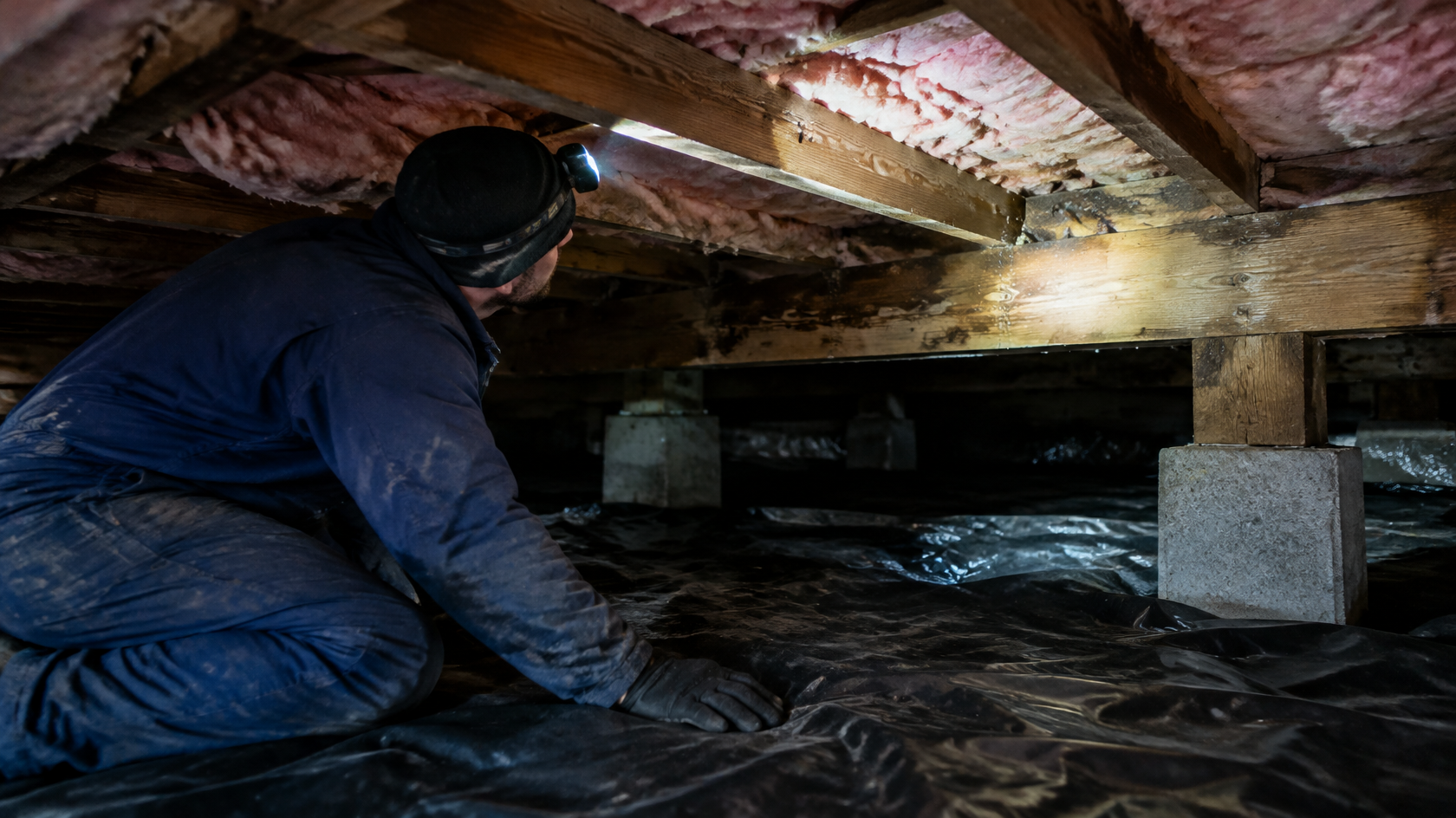
Most people in Mount Vernon only go into the crawl space when something breaks, and that is exactly why crawl space mold can grow for a long time before anyone notices. Once the fall and winter rain settles over Skagit County, that dark, tight area under the house can stay damp for weeks. If you have noticed a musty smell in the house, cold floors that feel a little soft, or water sitting on the vapor barrier, it is worth taking a closer look. Here is what causes it, what to watch for, and what professional mold remediation actually involves.
Why crawl space mold is so common in Skagit County
Mold needs three things to grow: moisture, something organic to feed on, and time. A crawl space can offer all three. Wood floor joists, subflooring, and the paper facing on some insulation give mold plenty to feed on. The space is dark and has limited airflow, so moisture that gets in tends to stay put.
Here in the Skagit Valley, the long rainy season does a lot of the work. Groundwater can seep up through the soil, gutters that overflow can soak the ground right next to the foundation, and humid outdoor air can condense on cooler surfaces under the house. A slow plumbing leak can keep things wet even longer.
Warning signs you can spot from inside the house
You do not have to crawl under the house to suspect a problem. Air from the crawl space naturally moves up into the living areas, so the first clue is often a musty or earthy smell that seems strongest near the floor, in closets, or when the heat first kicks on.
Other signs include floors that feel cold and damp or slightly spongy, hardwood that is cupping or warping, and allergy-type symptoms that seem worse at home. If you have had a leak under a bathroom or kitchen and it was never professionally dried, that area is a good candidate for a closer inspection. Our post on the signs of hidden mold in your home covers more of the clues to watch for throughout the house.
What you might see if you look underneath
If you can safely open the access hatch and look in with a flashlight, watch for white, gray, green, or black spotting on the joists and the underside of the subfloor. Sagging or fallen insulation is another clue. Standing water or puddles on top of the plastic vapor barrier tell you moisture is getting in somewhere.
Take photos from the hatch if you can, but try not to crawl through the space or touch anything. Disturbing mold can release spores into the air. A quick look from the opening is enough to know whether you should call for help.
Why DIY crawl space mold removal often falls short
It is tempting to grab a spray bottle and handle it yourself, but surface cleaning rarely solves the real problem. Mold can root into porous wood and insulation, and wiping or spraying the visible spots does nothing about the moisture that let it grow. Scrubbing without containment can also push spores into the living area above.
The bigger issue is that crawl space mold is almost always a symptom. If the water source is not found and corrected, the growth tends to come back, sometimes in the same season. That is why a moisture investigation matters as much as the cleanup itself.
How professional mold remediation works in a crawl space
A professional job starts with an inspection. Technicians use moisture meters and thermal imaging to find out how far the moisture and growth extend, and to look for the source, whether that is a plumbing leak, poor drainage, or ground moisture coming up through the soil.
From there, the affected area is contained so spores do not travel into the rest of the home, and HEPA air filtration runs during the work. Materials that cannot be cleaned, like wet or moldy insulation, are removed. Affected wood surfaces are cleaned and treated with antimicrobial products, and the space is dried so the moisture level is back where it should be. The process is documented with photos and moisture readings, which can be helpful if you end up talking with your insurance company.
If the mold started after a plumbing leak, drying is a big part of the job. You can read more about how professionals know water damage is dry.
Will insurance cover crawl space mold?
It depends on your policy and what caused the moisture. Many policies treat mold differently from other damage, and some limit or exclude it entirely. The only way to know for sure is to read your policy and talk with your agent or adjuster.
What you can do is keep good records. Photograph what you see, note when you first noticed the smell or damage, and keep any professional reports. Our article on whether homeowners insurance covers water damage explains the difference between sudden and gradual damage in more detail.
Keeping your crawl space dry through the wet season
Prevention comes down to keeping water out and keeping an eye on things. Make sure gutters are clear and downspouts carry water away from the foundation. Check that the vapor barrier covers the ground and is not torn or pulled back. Look in from the access hatch a few times during the rainy months, especially after a big storm. Protect exposed pipes under the house before cold weather.
Our guides on preparing your Skagit County home for fall rain and frozen pipe prevention walk through these steps. And if you have just had a leak, how fast mold grows after water damage explains why quick drying matters.
Frequently asked questions
Is crawl space mold dangerous if I never go down there? Air from the crawl space can move up into your living areas, so mold under the house can still affect indoor air and cause odors. It is worth having it evaluated.
Can I just replace the vapor barrier? A new vapor barrier can help with ground moisture, but it will not remove growth that is already on the joists or subfloor, and it will not stop a plumbing leak. The existing mold and the moisture source both need to be addressed.
Does Cleaner Guys handle crawl spaces in Burlington and Anacortes too? Yes. We provide mold remediation throughout Skagit County, including Mount Vernon, Burlington, Anacortes, and Sedro-Woolley.
Get crawl space mold checked before it spreads
Cleaner Guys is based in Mount Vernon and helps homeowners across Skagit County with mold remediation, water damage restoration, fire and smoke damage restoration, and sewage cleanup.
Smell something musty or found water under the house? Call Cleaner Guys at 360-757-4300. The team is available 24/7 to inspect the crawl space, find the moisture source, and lay out a clear plan to remove the mold and keep it from coming back.